
See Clearly: Foods & Habits for Better Vision
Your eyes work tirelessly every day. Discover the science-backed nutrition, daily routines, and lifestyle habits that keep your vision sharp, reduce strain, and support long-term eye health. From antioxidant-rich foods to screen time strategies, learn what really works.

The information on this site is for educational purposes only and does not constitute medical advice. Always consult a qualified healthcare professional before making health decisions.
Eye-Healthy Foods Showcase
These nutrient-dense foods are scientifically linked to better vision and eye protection. Explore which ones you should include in your weekly meals.

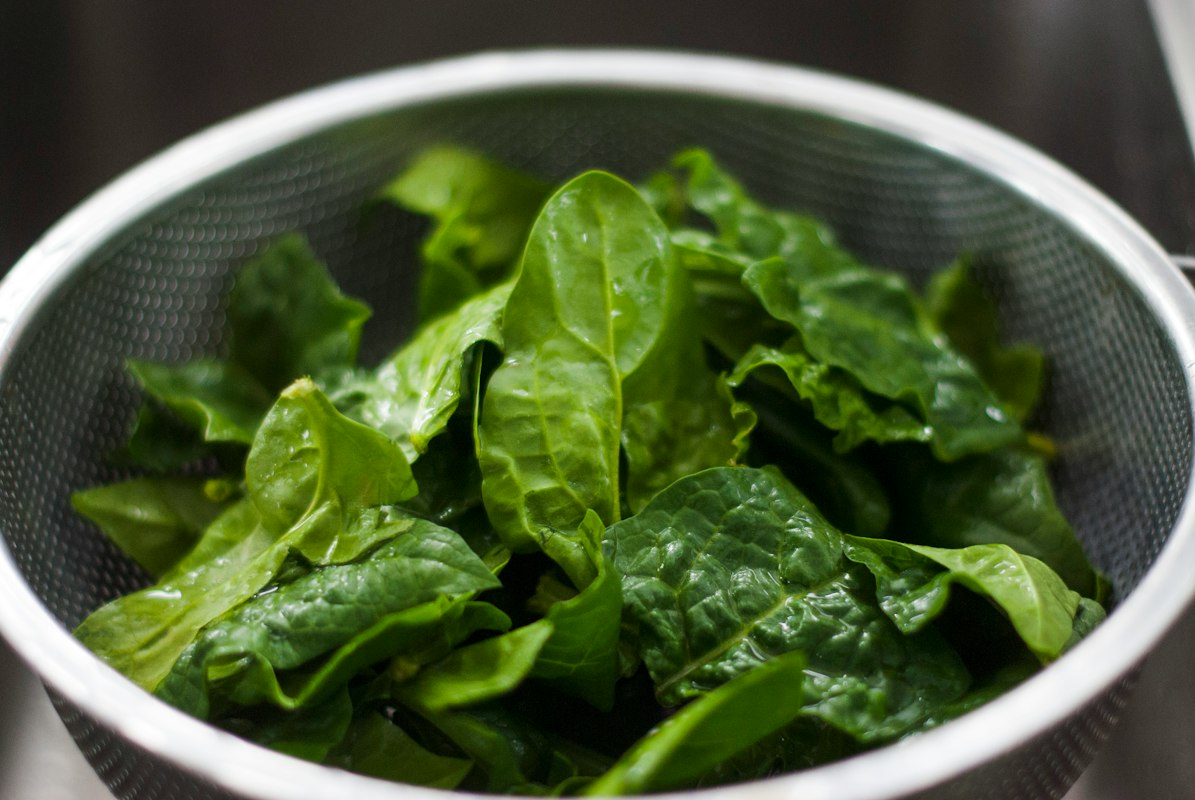
Leafy Greens & Spinach
High in lutein and zeaxanthin, compounds that filter harmful blue light and protect the macula. Incorporate spinach, kale, and collard greens into salads and smoothies for maximum benefit.
Berries & Antioxidants
Blueberries, raspberries, and blackberries contain anthocyanins that combat oxidative stress and reduce eye strain. These colorful fruits support retinal health and may improve night vision.
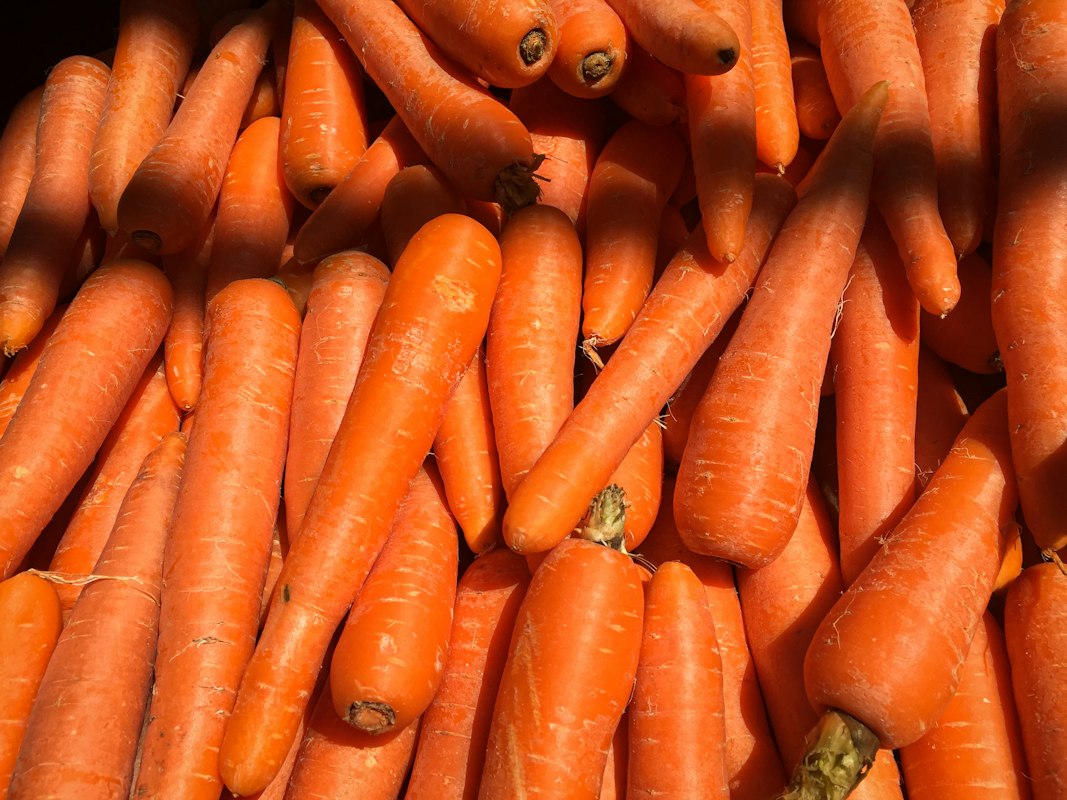
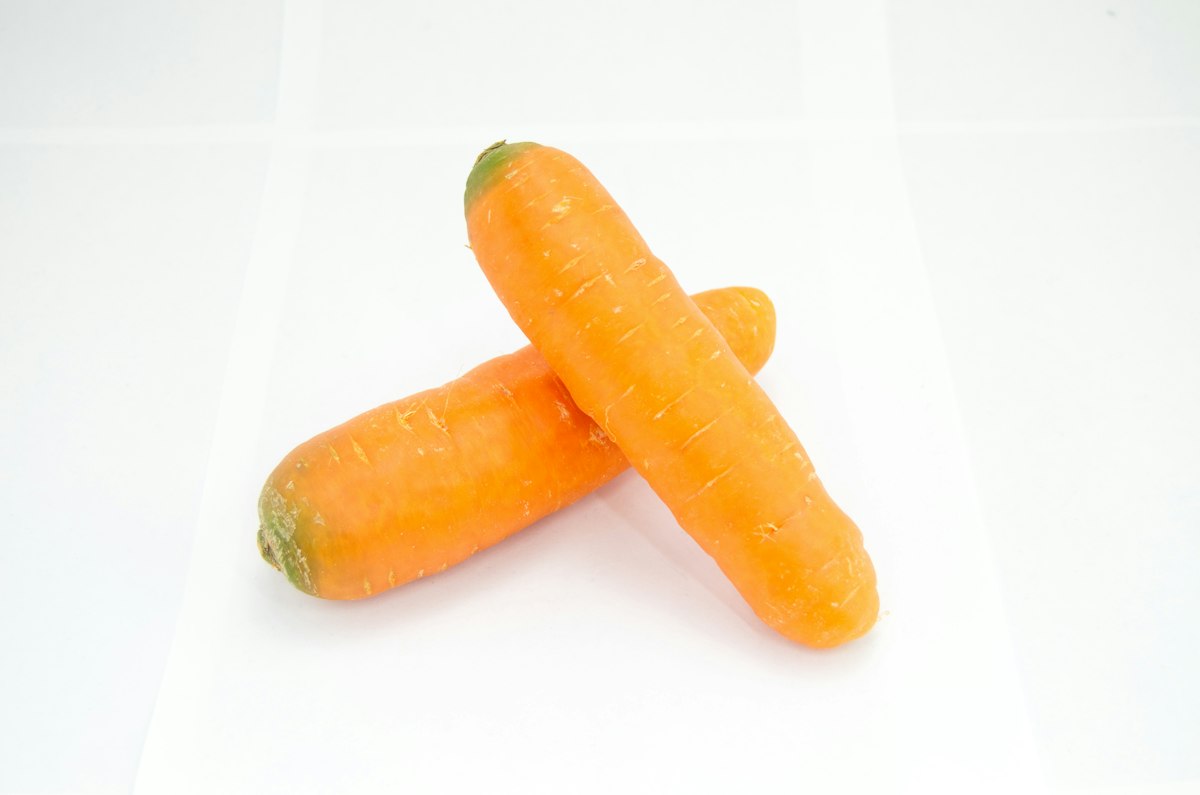
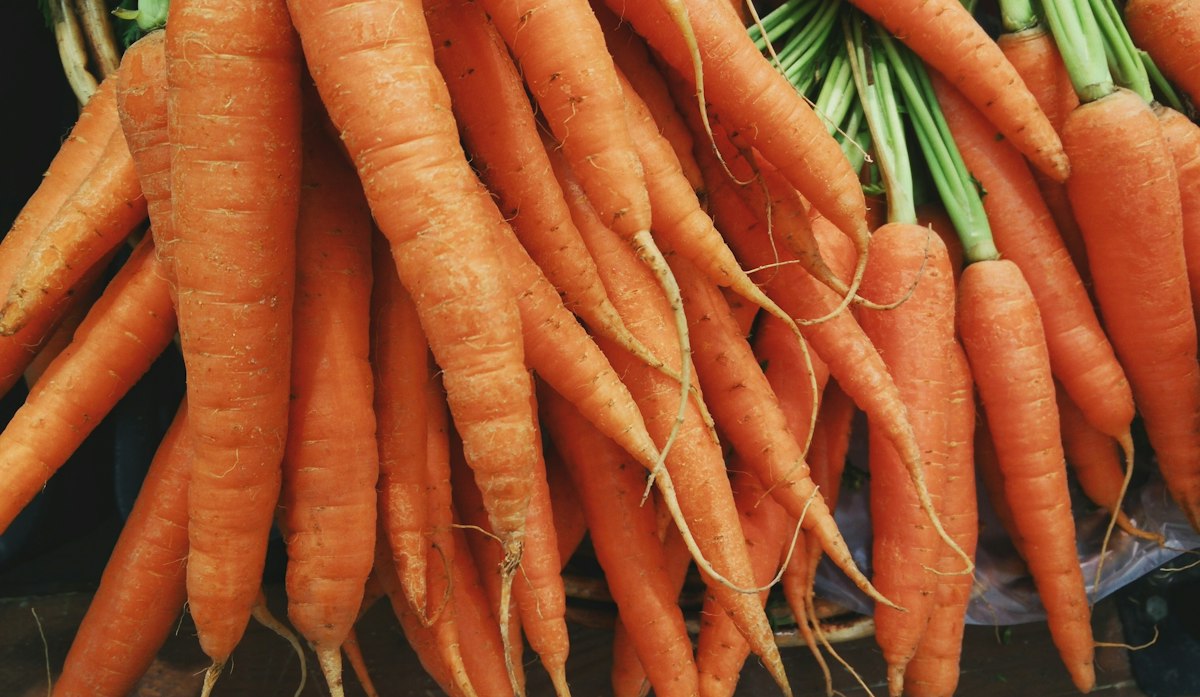
Carrots & Orange Foods
Rich in beta-carotene, which your body converts to vitamin A—essential for seeing in low light. Sweet potatoes and pumpkin are excellent alternatives if you want variety in your diet.
Fish & Omega-3s
Fatty fish like salmon and mackerel provide omega-3 fatty acids that support tear production and reduce dry eye. These fats also strengthen the structure of the retina and optic nerve.
Nuts & Seeds
Almonds, walnuts, and flax seeds deliver vitamin E and omega-3s. A small handful daily provides protective compounds that slow age-related vision changes and support overall eye function.

Dark Chocolate
Contains flavonoids that improve blood flow to the eyes and enhance visual acuity. Choose varieties with at least 70% cocoa content for maximum antioxidant effect without excessive sugar.
Daily Habits That Protect Your Vision
Beyond food, consistent daily routines and smart choices protect your eyes from strain and environmental stress.
Follow the 20-20-20 Rule
Every 20 minutes of screen time, look at something 20 feet away for 20 seconds. This simple practice reduces digital eye strain, prevents focusing fatigue, and helps maintain accommodation ability in your eyes.
Optimize Your Lighting
Use proper task lighting that reduces glare and doesn't create harsh shadows. Position your monitor below eye level and use an anti-glare screen filter to minimize strain during work or reading sessions.
Maintain Eye Hydration
Drink plenty of water throughout the day and remember to blink consciously when working on screens. Dry eyes are a common issue in modern life—staying hydrated supports tear production and eye comfort.
Protect from UV Light
Wear sunglasses that block 100% of UVA and UVB rays whenever outdoors. Long-term UV exposure increases the risk of cataracts and other age-related vision problems. UV protection is as important as sunscreen for skin.
Essential Nutrients for Eye Health
Understand the key vitamins and minerals that work together to support clear vision and prevent age-related decline.
Vitamin A & Beta-Carotene
Critical for the production of rhodopsin, a pigment in the retina that allows you to see in low light. Deficiency leads to night blindness. Found in carrots, sweet potatoes, and dark leafy greens.
- Supports low-light vision
- Protects corneal health
- Prevents age-related decline
Lutein & Zeaxanthin
Yellow pigments that accumulate in the retina and filter blue light. They reduce glare sensitivity and protect against macular degeneration. Abundant in spinach, kale, and broccoli.
- Filters harmful blue light
- Improves contrast sensitivity
- Slows macular degeneration
Vitamin C & E
Powerful antioxidants that neutralize free radicals and slow oxidative damage to lens and retina. Citrus fruits, berries, and nuts are excellent sources of both vitamins.
- Prevents cataracts
- Protects retinal cells
- Supports immune function
Anthocyanins
Pigments in berries that reduce inflammation and improve blood circulation to the eyes. They strengthen capillaries and support oxygen delivery to retinal tissues. Found in blueberries and dark grapes.
- Reduces eye inflammation
- Enhances night vision
- Improves blood flow
Omega-3 Fatty Acids
Essential for retinal cell structure and tear film stability. They reduce inflammation and support the brain's vision processing centers. Fatty fish and flax seeds are key sources.
- Reduces dry eye
- Strengthens retinal structure
- Supports neurological health
Zinc & Minerals
Essential for absorption of vitamin A and proper retinal function. Zinc deficiency correlates with age-related macular degeneration. Oysters, pumpkin seeds, and beef provide significant amounts.
- Supports vitamin A absorption
- Protects retinal cells
- Prevents age-related issues

The Science Behind Eye Nutrition
Your eyes are metabolically active tissues that require constant nutrient replenishment. The retina contains one of the highest concentrations of polyunsaturated fats in the body, making omega-3 intake crucial. Meanwhile, the lens is avascular—it receives nutrients exclusively through the aqueous humor—so systemic nutrition directly impacts lens clarity.
Age-related macular degeneration (AMD) and cataracts develop over decades as oxidative stress accumulates. Antioxidants like lutein, zeaxanthin, and vitamins C and E neutralize free radicals before they damage delicate retinal structures. Research shows that people with higher dietary intakes of these compounds have significantly lower rates of vision loss.
Digital eye strain—a modern challenge—increases demand for protective nutrients. Blue light exposure accelerates retinal cell aging, making antioxidant defenses even more important. Additionally, eye strain reduces blinking frequency, which lowers tear production and increases risk of dry eye disease.
Explore Detailed ArticlesReal Stories of Vision Improvement (Note: Individual results may vary.)
Readers from across the Philippines share how incorporating these eye-healthy foods and habits has made a difference in their daily vision and comfort.
"I work long hours in front of a computer and suffered from constant eye strain and headaches. After reading about the 20-20-20 rule and adding blueberries and spinach to my diet, the difference was noticeable within three weeks. My eyes feel less tired by the end of the day, and I can see text more clearly on my screen."
Maria Santoso, Manila
"As someone over 50, I was concerned about developing cataracts like my mother did. I started eating more fatty fish, nuts, and dark chocolate. At my last eye check-up, my optometrist was pleased with my proactive approach to my eye health. The dietary changes aren't difficult—they're just eating foods I enjoy while protecting my vision."
Roberto Cruz, Cebu City
"I had terrible dry eye that made wearing contact lenses uncomfortable. After understanding the connection between hydration, omega-3s, and tear production, I changed my habits. Now I drink more water and have added salmon to my meals, and my eyes feel much more comfortable throughout the day. This site gave me practical advice that actually works without any complicated routines."
Angela Reyes, Davao
Common Questions About Eye Health
Find answers to the questions our readers ask most frequently about vision, nutrition, and eye care.
Results vary by person and baseline diet. Some readers report feeling less eye strain within 2-3 weeks of consistent dietary changes and applying the 20-20-20 rule. More significant improvements in visual clarity and dry eye symptoms typically appear within 6-8 weeks. Vision changes at the cellular level take longer—6 months to a year—to show measurable effects on retinal health. Consistency matters more than perfection.
Yes, a significant body of research shows that high intakes of lutein, zeaxanthin, vitamins C and E, and omega-3 fatty acids correlate with lower rates of age-related macular degeneration. Multiple studies demonstrate that antioxidant-rich diets slow cataract formation. While these habits cannot eliminate risk entirely—genetics and overall health play roles—they meaningfully reduce your chances of age-related vision problems. The earlier you start, the better the protection.
Food sources are superior because nutrients in whole foods come with supporting compounds and are better absorbed by your body. A salad with spinach, carrots, and olive oil provides not just individual nutrients but also the context that enhances absorption. That said, some people struggle to eat enough antioxidant-rich foods due to lifestyle or allergies. For specific questions about your personal situation, consult a qualified eye care professional who can evaluate your individual needs.
Screen time increases oxidative stress in the eyes through blue light exposure and reduces blinking frequency, lowering tear production. This accelerates nutrient depletion in retinal cells. Ironically, people who spend long hours on screens have the highest need for antioxidants and omega-3s. Combining good nutrition with screen breaks (20-20-20 rule) and proper lighting creates a comprehensive approach to managing modern eye strain.
Foods high in refined carbohydrates and trans fats can increase inflammation and promote oxidative stress, which damages retinal tissue. Excessive salt intake can affect fluid balance and eye pressure. Limiting sugar helps prevent metabolic changes that accelerate vision problems. Rather than focusing on avoidance, the positive approach is emphasizing nutrient-dense whole foods: vegetables, fruits, fish, nuts, and healthy oils. This naturally crowds out harmful foods.
Start Your Eye Health Journey Today
Your vision is one of your most precious senses. Begin making informed choices about what you eat and how you care for your eyes. Our comprehensive articles guide you through every step—from shopping for eye-healthy foods to building sustainable daily habits.